The Wrist Pain Rock Climbers Ignore Until It Becomes a Real Problem
Quick Answer: Climbing wrist pain commonly comes from over-reliance on wrist flexion to compensate for insufficient forearm and finger strength, or from crimping technique that loads the wrist at an unfavorable angle — building grip and forearm strength progressively, and adjusting hold technique to keep the wrist more neutral, addresses most non-acute climbing wrist pain.
A little forearm pump after a hard bouldering session is normal. Wrist pain that lingers into the next day, or that shows up specifically on certain hold types, usually means something mechanical is happening that’s worth actually addressing rather than climbing through.

Why does climbing specifically stress the wrist so much compared to other grip-heavy activities?
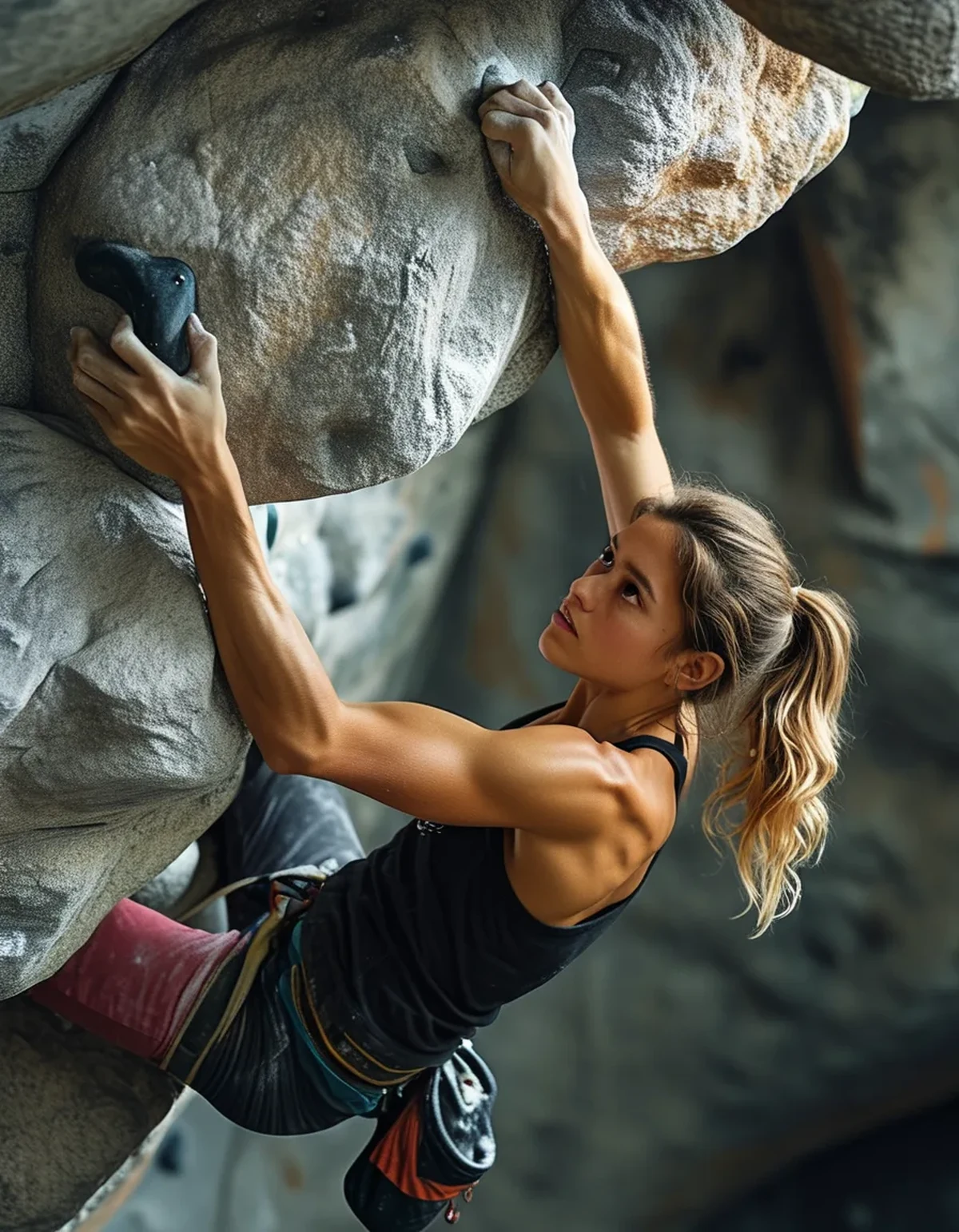
Climbing often requires the wrist to stabilize significant body weight through an extended or flexed position simultaneously with active gripping, unlike, say, weightlifting where the wrist is typically more neutral under load — certain hold types (slopers, undercuts, some crimps) put the wrist through positions that are mechanically disadvantageous, and doing this repeatedly under full body weight is a meaningfully different stress than most other grip activities.
Is crimping technique actually a common cause of wrist pain, or is it more about finger strength?
Both are connected — poor crimping technique, where the wrist compensates for insufficient finger strength by flexing more aggressively to help maintain grip, transfers load to the wrist joint in a way it’s not well-designed to absorb repeatedly. Climbers with underdeveloped finger and forearm strength relative to their climbing grade are more likely to develop this compensatory pattern, which is why wrist pain sometimes shows up during a period of pushing to harder grades faster than strength has caught up.
Does taping or wrist support actually help, or just mask the problem?
Wrist support (a soft brace or tape) can genuinely help manage symptoms during recovery, but it doesn’t fix an underlying technique or strength imbalance — using support as a short-term tool while also addressing the root cause (usually through targeted forearm and grip strengthening plus technique adjustment) is reasonable, but relying on it indefinitely without addressing the cause typically means the pain returns once support is removed.
5 Mistakes Climbers Make That Lead to Wrist Pain
- Progressing to harder grades faster than finger and forearm strength can support, leading to compensatory wrist flexion. 2) Ignoring early, mild wrist discomfort instead of adjusting technique or reducing volume. 3) Skipping wrist and forearm-specific warmup before bouldering sessions. 4) Overusing crimp grips exclusively instead of varying hold types and grip positions during training. 5) Not incorporating any antagonist muscle training (wrist extensor strengthening) to balance the heavily flexor-dominant demands of climbing.
FAQ: Climbing Wrist Pain Questions, Answered
Should I keep climbing through mild wrist soreness?
Mild, temporary soreness that resolves within a day is often normal training stress, but soreness that persists, worsens, or is accompanied by clicking or reduced grip strength warrants reducing volume and possibly a professional evaluation rather than pushing through.
Does grip strength training outside of climbing actually help prevent wrist pain?
Yes — dedicated forearm and grip strengthening (including wrist extensor work, which climbing itself doesn’t train much) builds the supporting strength that reduces reliance on compensatory wrist positions during actual climbing.
How long should I rest if I do develop climbing-related wrist pain?
This varies by severity, but a few days to a week of reduced volume with continued gentle mobility (not full rest, unless pain is significant) is a reasonable starting approach — persistent pain beyond a couple weeks is worth having assessed by a professional familiar with climbing injuries.
TL;DR:
- Climbing loads the wrist through disadvantageous positions in a way many other grip activities don’t
- Poor crimping technique often compensates for weak fingers by over-relying on wrist flexion
- Wrist support can help manage symptoms but doesn’t fix an underlying strength or technique gap
- Antagonist wrist extensor training balances climbing’s heavily flexor-dominant demands Wrist pain that shows up on specific hold types isn’t just bad luck — it’s usually a specific, fixable mismatch between where your strength is and where your grade is pushing you.
Keep Reading
This article is for general informational purposes only and is not medical advice. Always consult a qualified health professional for guidance specific to you.